

This section consolidates frequently asked questions and solutions related to mtu Engines and spare Parts. For any additional inquiries or specialized concerns, we encourage you to submit your queries via the comment section below for personalized technical support.

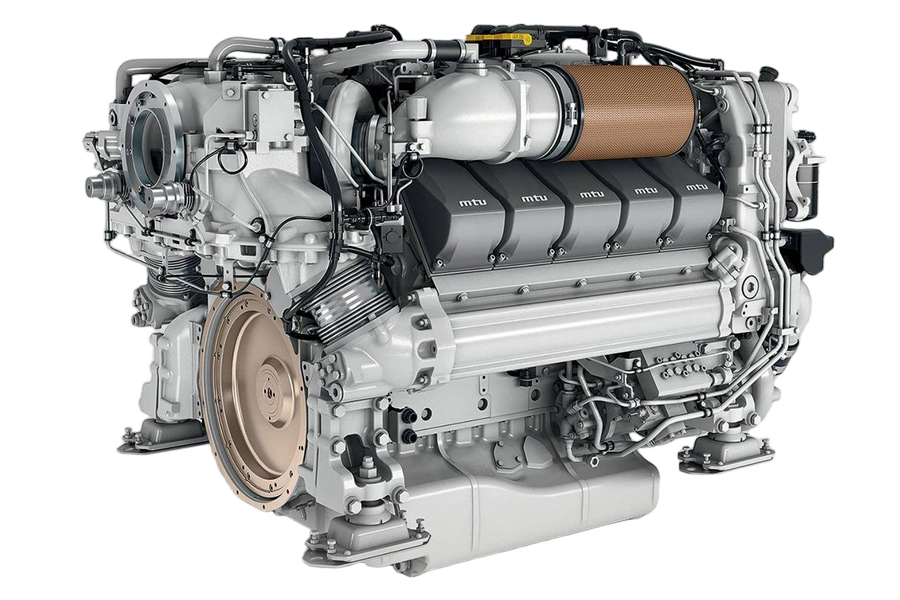
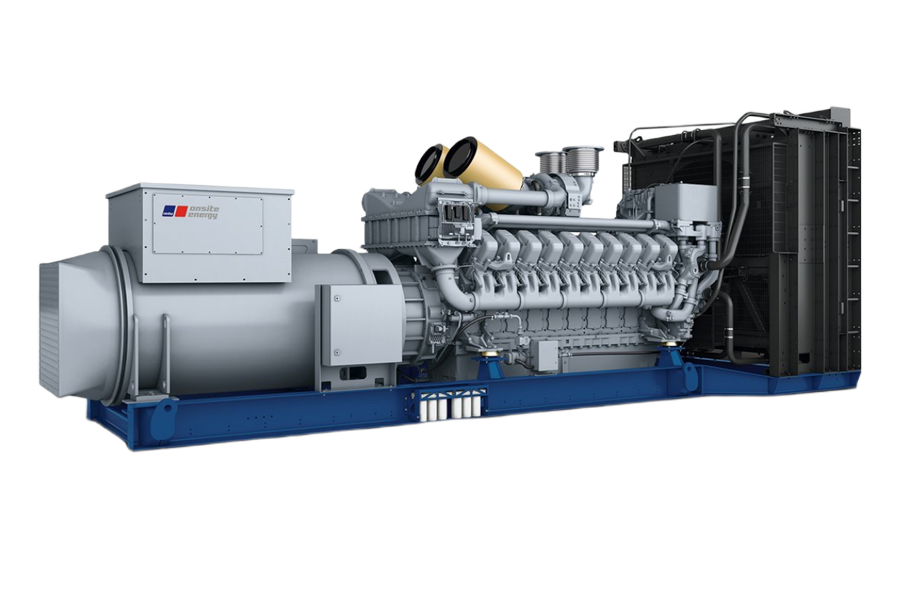
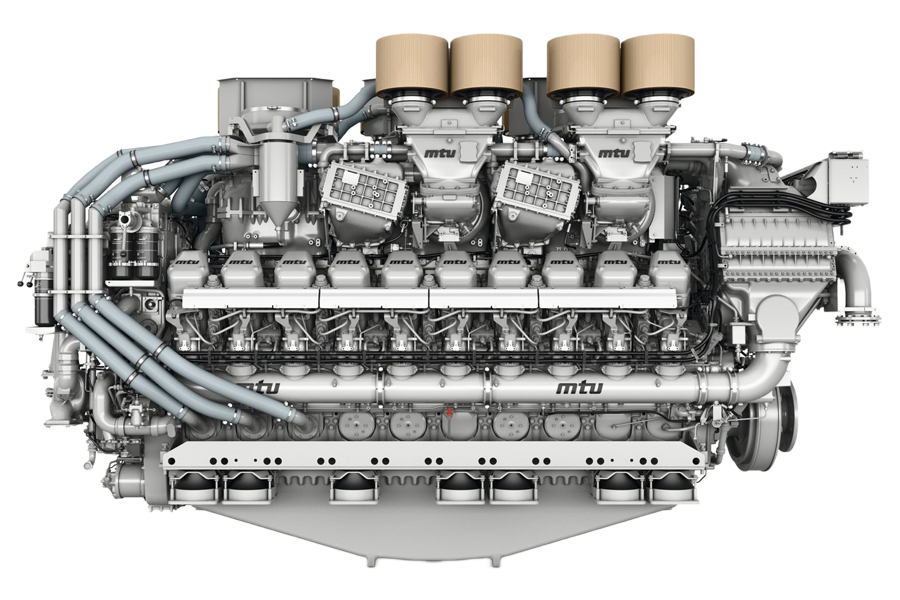
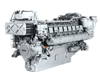
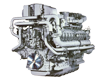
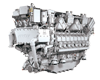
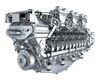
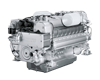
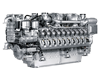
mtu engines are widely applied, covering fields such as ship propulsion (merchant ships, yachts, naval vessels), power generation equipment (backup power supplies, distributed energy sources), heavy-duty vehicles (mining trucks, engineering machinery), and railway traction.

Model selection should be based on actual operating conditions and requirements. The recommended models and their characteristics for each field are as follows:

Marine Field

mtu 2000 Series: It features powerful performance and excellent fuel economy, providing stable and efficient power for high-speed ships and yachts.

mtu 4000 Series: Specifically designed for large merchant ships and naval vessels, it offers high power output and high reliability to meet the demanding power needs of large ships.

Power Generation Field

mtu 183 Engine: With its compact size and stable power output, it is well-suited for backup power supplies in small commercial establishments and data centers.

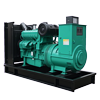
mtu 396 Engine: Boasting high power, it can fully meet the requirements of large-scale industrial backup power supplies and distributed energy projects.

Industrial Heavy-Duty Vehicle Field

mtu 538 Engine: With its high torque output, it can adapt to harsh mining environments and is an ideal power source for heavy-duty vehicles such as mining trucks.

We offer free operational status assessment services. Our professional team will precisely match the best engine model according to your specific needs and operating conditions.

Root Cause: Insufficient fuel supply or abnormal pressure within the fuel system, involving multiple components such as the fuel filter, fuel pump, fuel lines, sensors, and fuel quality.

Precision Troubleshooting Steps:

Fuel Filter Inspection:Blockage can lead to restricted fuel flow, necessitating immediate filter replacement. Recommended replacement interval: every 30,000 kilometers or as specified in the maintenance manual to prevent pressure drops caused by debris accumulation.

Fuel Pump Pressure Verification:Utilize a professional pressure gauge to measure the output pressure of the low-pressure fuel pump. Standard pressure range: 300-350 kilopascals (approximately 3-3.5 bar) or 2.5-4.0 bar. If the pressure falls below the standard value, perform maintenance or replace the fuel pump motor, clean the bottom strainer, or replace the entire assembly.
 
Fuel Line Examination:Focus on inspecting the sealing integrity of line connections, checking for leaks, bends, or blockages. High-pressure fuel pumps, injectors, and pressure regulators require individual testing to ensure no internal obstructions or damaged return valves.
 
Sensor Calibration and Diagnostics:In the event of pressure sensor malfunction (e.g., signal drift), recalibrate or replace the sensor using an MTU-specific diagnostic tool. Concurrently, verify the operational status of solenoid valves and pressure regulators to prevent sticking or failure.
 
Fuel Quality Verification:Poor-quality fuel with excessive impurities or moisture content can trigger protective mechanisms. It is advisable to use fuel that meets mtu certification standards and regularly test for water content and cleanliness.

Critical Notice:

If the fault remains unresolved after self-diagnosis, cease operation immediately and contact a professional service team to prevent further engine damage.

Routine Maintenance Intervals

50 Hours: Check oil/coolant levels, air filter blockage indicator, and belt tension.
250 Hours: Replace oil & filters, fuel filters; adjust belt tension.
500 Hours: Clean/replace air filter; inspect turbocharger blade clearance.
1,000 Hours: Adjust valve clearance, check injector spray pattern, flush cooling system.
2,000 Hours: Major overhaul: Replace coolant, inspect crankcase ventilation system.

Adjustments for Harsh Conditions

Dust/High-Temp Zones: Shorten air filter replacement to 300 hours.
Low-Quality Fuel (Sulfur >0.5%): Reduce oil change intervals based on lab analysis.
Frequent Start-Stop/Low-Load: Halve maintenance intervals for critical systems.

Best Practices

Maintain full service logs for lifecycle tracking.
Genuine mtu Parts mandatory for critical components (pistons/bearings).Use MTU-certified synthetic oil; avoid mixing brands.
Electrical Checks: Monthly ground testing + 500-hour insulation tests.
Inventory inquiry: You can contact our sales consultant to inquire about the inventory status of spare parts;
 
Urgent delivery: International orders are prioritized through DHL/FedEx processing;
 
Temporary alternative solution: For non critical components, compatibility spare parts can be provided for temporary use (subject to technical confirmation);
 
Reservation reserve: Long term customers can sign a spare parts reserve agreement to reserve commonly used parts in our warehouse.
Message
Please enter the message information.
Name
Please enter your name.
Email
Please enter a valid email address.
Contact
Please enter a valid contact information.
Company
Please enter a valid Copmany information.
Code
Verification code error.